Understanding MRF's High Share Price and Profit Dynamics
MRF-இன் அதிக பங்கு விலை மற்றும் லாப இயக்கவியலைப் புரிந்துகொள்வோம்
What happened
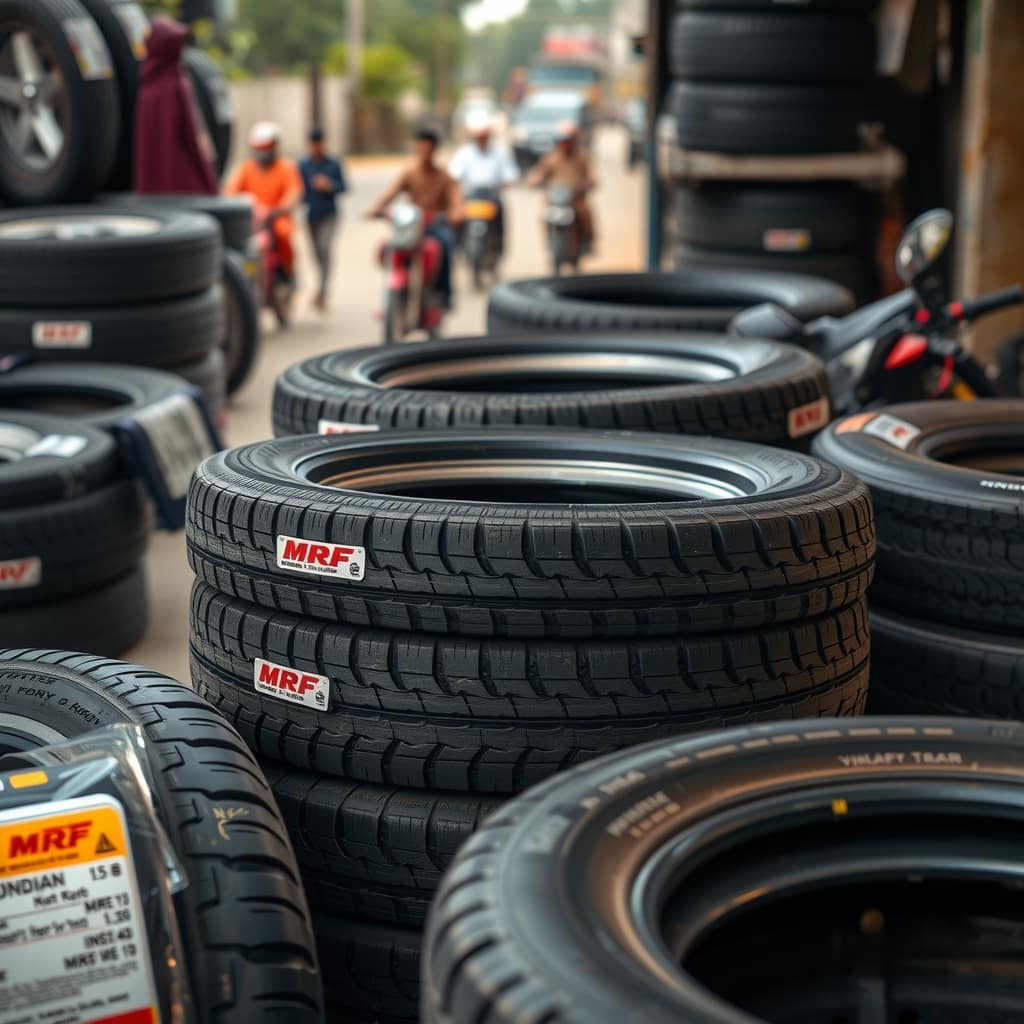
MRF Limited, or Madras Rubber Factory, is a prominent name in the Indian tire industry, and its shares are well-known for their high price per unit. While many investors might assume such a high share price indicates massive profits, the reality can be more nuanced. According to recent discussions, MRF's profit for a particular quarter saw a significant decline of 28%, reaching approximately ₹369 crore. This reduction in profitability was primarily driven by higher input costs, particularly the rising prices of crude oil, a crucial raw material in tire manufacturing.
The high input costs directly impact the company's ability to generate profits, as the cost of producing tires increases. Despite this pressure on profitability, the share price remains elevated. This apparent contradiction highlights an important aspect of stock market dynamics: a high share price doesn't always directly correlate with current profit levels.
What it means for you
For beginner investors, MRF's situation offers a valuable lesson. A stock's price is influenced by various factors, not just the company's latest quarterly earnings. In MRF's case, a significant reason for its high share price is the relatively low number of outstanding shares available in the market. When fewer shares are available, and demand remains consistent or grows, the price per share naturally tends to be higher. This is often exacerbated by companies that choose not to split their shares, further limiting the supply.
It's crucial to differentiate between a company's share price and its underlying profitability or valuation. While a high share price might seem attractive, it's essential to look deeper into the company's financial health, including its revenue, profit margins, and the reasons behind its share price movements. A company with fewer shares outstanding can have a high share price even if its overall market capitalization (total value of the company) is not as high as other companies with more shares at a lower price. Always consider the fundamentals and the broader market context.
Key takeaways
- MRF's high share price is largely due to a low number of outstanding shares, not necessarily high profits.
- The company recently experienced a 28% decline in quarterly profit, reaching around ₹369 crore.
- Higher input costs, such as crude oil, significantly impact tire manufacturers' profitability.
- A high share price does not always equate to high current profits; other factors like share float play a crucial role.
- Beginner investors should analyze a company's fundamentals and the reasons behind its share price, beyond just the absolute value.
Jargon buster
- Share Price: The market value of a single share of a company's stock.
- Input Costs: The expenses incurred by a company to produce its goods or services, such as raw materials, labor, and utilities.
- Outstanding Shares: The total number of shares of a company's stock that are currently held by all its shareholders, including institutional investors and restricted shares.
என்ன நடந்தது
MRF லிமிடெட், அல்லது மெட்ராஸ் ரப்பர் ஃபேக்டரி, இந்திய டயர் துறையில் ஒரு முக்கிய நிறுவனமாகும். அதன் பங்குகள் ஒரு யூனிட்டிற்கு அதிக விலைக்கு பெயர் பெற்றவை. பல முதலீட்டாளர்கள் இவ்வளவு அதிக பங்கு விலை மிகப்பெரிய லாபத்தைக் குறிக்கிறது என்று கருதினாலும், உண்மை மிகவும் நுணுக்கமானது. அண்மைய விவாதங்களின்படி, MRF-இன் ஒரு குறிப்பிட்ட காலாண்டிற்கான லாபம் 28% கணிசமாகக் குறைந்து, சுமார் ₹369 கோடியாக இருந்தது. இந்த லாபக் குறைவுக்கு முக்கிய காரணம், டயர் தயாரிப்பில் ஒரு முக்கிய மூலப்பொருளான கச்சா எண்ணெய் போன்ற உள்ளீட்டுச் செலவுகளின் உயர்வுதான்.
அதிக உள்ளீட்டுச் செலவுகள் நிறுவனத்தின் லாபம் ஈட்டும் திறனை நேரடியாகப் பாதிக்கின்றன, ஏனெனில் டயர்களை உற்பத்தி செய்வதற்கான செலவு அதிகரிக்கிறது. லாபத்தில் இந்த அழுத்தம் இருந்தபோதிலும், பங்கு விலை உயர்ந்தே உள்ளது. இந்த வெளிப்படையான முரண்பாடு பங்குச் சந்தை இயக்கவியலின் ஒரு முக்கியமான அம்சத்தை எடுத்துக்காட்டுகிறது: அதிக பங்கு விலை எப்போதும் தற்போதைய லாப நிலைகளுடன் நேரடியாகத் தொடர்புடையது அல்ல.
இது உங்களுக்கு என்ன அர்த்தம்
ஆரம்பநிலை முதலீட்டாளர்களுக்கு, MRF-இன் நிலைமை ஒரு மதிப்புமிக்க பாடத்தை வழங்குகிறது. ஒரு பங்குகளின் விலை நிறுவனத்தின் சமீபத்திய காலாண்டு வருவாயால் மட்டுமல்லாமல், பல்வேறு காரணிகளால் பாதிக்கப்படுகிறது. MRF-இன் விஷயத்தில், அதன் அதிக பங்கு விலைக்கு ஒரு முக்கிய காரணம், சந்தையில் கிடைக்கும் பங்குகளின் எண்ணிக்கை ஒப்பீட்டளவில் குறைவாக இருப்பதுதான். குறைந்த பங்குகள் கிடைக்கும்போது, தேவை சீராகவோ அல்லது அதிகரிப்பதாகவோ இருந்தால், ஒரு பங்கின் விலை இயல்பாகவே அதிகமாக இருக்கும். பங்குகளைப் பிரிக்க வேண்டாம் என்று தேர்வு செய்யும் நிறுவனங்களால் இது பெரும்பாலும் அதிகரிக்கிறது, இது விநியோகத்தை மேலும் கட்டுப்படுத்துகிறது.
ஒரு நிறுவனத்தின் பங்கு விலைக்கும் அதன் அடிப்படை லாபம் அல்லது மதிப்பீட்டிற்கும் உள்ள வேறுபாட்டைப் புரிந்துகொள்வது மிக முக்கியம். அதிக பங்கு விலை கவர்ச்சிகரமானதாகத் தோன்றினாலும், அதன் வருவாய், லாப வரம்புகள் மற்றும் பங்கு விலை நகர்வுகளுக்குப் பின்னால் உள்ள காரணங்கள் உட்பட நிறுவனத்தின் நிதி ஆரோக்கியத்தை ஆழமாகப் பார்ப்பது அவசியம். குறைந்த பங்குகளைக் கொண்ட ஒரு நிறுவனம், அதன் ஒட்டுமொத்த சந்தை மூலதனம் (நிறுவனத்தின் மொத்த மதிப்பு) குறைந்த விலையில் அதிக பங்குகளைக் கொண்ட மற்ற நிறுவனங்களைப் போல அதிகமாக இல்லாவிட்டாலும், அதிக பங்கு விலையைக் கொண்டிருக்கலாம். எப்போதும் அடிப்படைகள் மற்றும் பரந்த சந்தை சூழலைக் கருத்தில் கொள்ளுங்கள்.
முக்கிய குறிப்புகள்
- MRF-இன் அதிக பங்கு விலை பெரும்பாலும் சந்தையில் உள்ள பங்குகளின் எண்ணிக்கை குறைவாக இருப்பதே காரணம், அதிக லாபம் அல்ல.
- நிறுவனம் அண்மையில் ஒரு காலாண்டில் 28% லாபக் குறைவைச் சந்தித்தது, இது சுமார் ₹369 கோடியாக இருந்தது.
- கச்சா எண்ணெய் போன்ற அதிக உள்ளீட்டுச் செலவுகள் டயர் உற்பத்தியாளர்களின் லாபத்தை கணிசமாகப் பாதிக்கின்றன.
- அதிக பங்கு விலை எப்போதும் அதிக தற்போதைய லாபத்திற்கு சமம் அல்ல; பங்கு மிதவை போன்ற பிற காரணிகள் முக்கிய பங்கு வகிக்கின்றன.
- ஆரம்பநிலை முதலீட்டாளர்கள் ஒரு நிறுவனத்தின் அடிப்படைகள் மற்றும் அதன் பங்கு விலைக்குப் பின்னால் உள்ள காரணங்களை, வெறும் முழுமையான மதிப்பைத் தாண்டி பகுப்பாய்வு செய்ய வேண்டும்.
கலைச்சொல் விளக்கம்
- பங்கு விலை (Share Price): ஒரு நிறுவனத்தின் ஒரு பங்கின் சந்தை மதிப்பு.
- உள்ளீட்டுச் செலவுகள் (Input Costs): மூலப்பொருட்கள், உழைப்பு மற்றும் பயன்பாடுகள் போன்ற ஒரு நிறுவனம் தனது பொருட்கள் அல்லது சேவைகளை உற்பத்தி செய்ய ஆகும் செலவு.
- நிலுவையிலுள்ள பங்குகள் (Outstanding Shares): ஒரு நிறுவனத்தின் மொத்த பங்குகளின் எண்ணிக்கை, இது அனைத்து பங்குதாரர்களாலும், நிறுவன முதலீட்டாளர்கள் மற்றும் தடைசெய்யப்பட்ட பங்குகளையும் சேர்த்து, தற்போது வைத்திருக்கப்படுகிறது.
Price data: Yahoo Finance, delayed. Past prices do not predict future returns.
Disclosure: The author may hold shares in companies mentioned; see our holdings disclosure. This article is for education only and is not a recommendation to buy, sell or hold any security. Read the full disclaimer.